
 admin
admin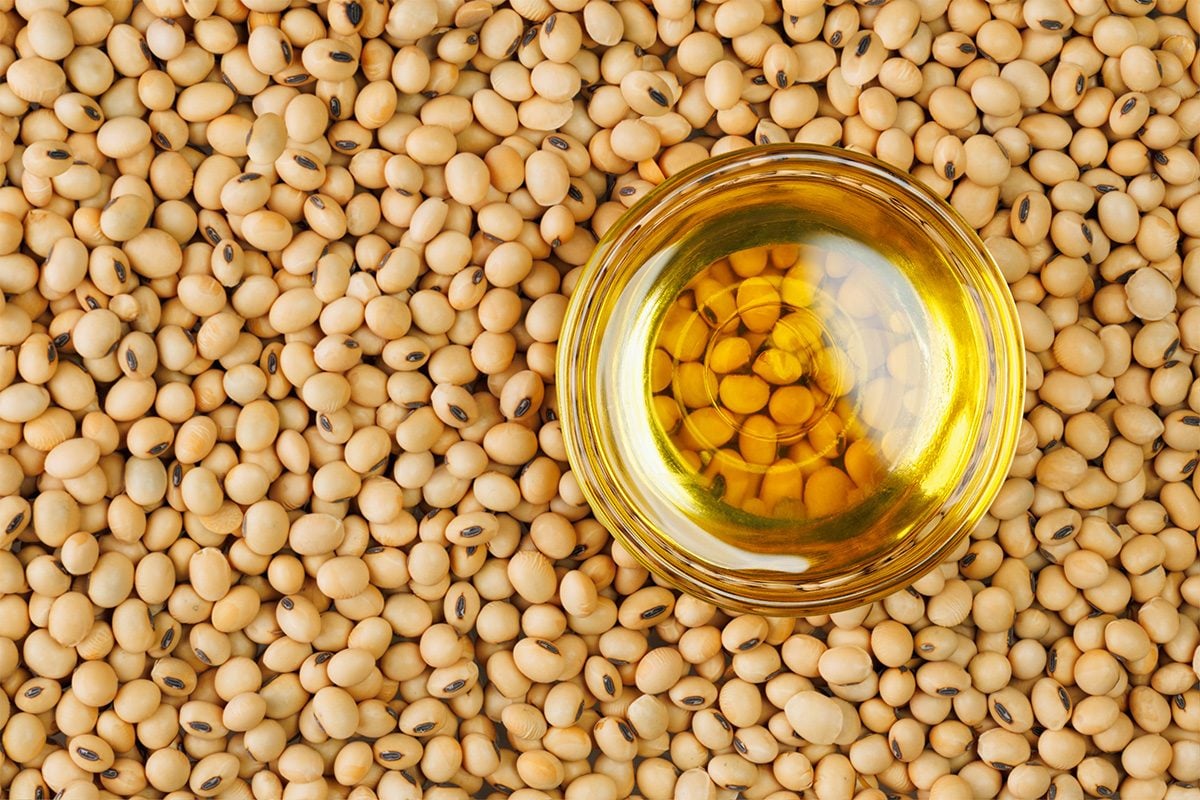
Soybean oil has emerged as a prominent choice for frying due to its numerous advantages, which are increasingly being recognized by food scientists and culinary experts. Derived from the seeds of the soybean plant, this versatile oil is not only abundant but also offers several benefits that make it an ideal candidate for various cooking applications, particularly frying.
One of the most notable attributes of soybean oil is its high smoke point. The smoke point refers to the temperature at which an oil begins to produce visible smoke and break down chemically. Soybean oil boasts a smoke point of approximately 450°F (232°C), making it suitable for high-temperature cooking methods such as deep-frying and stir-frying. This characteristic ensures that foods cooked advantages of soybean oil in frying achieve a desirable crispy texture without absorbing excessive amounts of fat or developing off-flavors.
In addition to its favorable thermal properties, soybean oil is lauded for its nutritional profile. It contains a balanced ratio of polyunsaturated fats, monounsaturated fats, and saturated fats. Notably, it is rich in omega-3 fatty acids, which are essential nutrients known for their heart health benefits. Moreover, soybean oil is low in saturated fat compared to other common frying oils like palm or coconut oils. This composition contributes to maintaining healthy cholesterol levels when consumed as part of a balanced diet.
From a sensory perspective, soybean oil has a neutral flavor profile that does not overpower or alter the taste of fried foods. This quality allows chefs and home cooks alike to use it confidently across different cuisines without compromising on flavor authenticity. Its light consistency also ensures even coating during frying processes, resulting in uniformly cooked dishes with appealing textures.
Furthermore, advancements in food science have led to improvements in the stability and shelf life of soybean oil through techniques such as hydrogenation and interesterification. These processes enhance oxidative stability while minimizing trans fat content—addressing health concerns associated with traditional hydrogenated oils.
Economically speaking, soybean oil represents an affordable option due to its widespread availability and efficient production processes worldwide. As demand for healthier cooking alternatives continues to rise globally among consumers conscious about dietary choices impacting overall well-being—soybean-derived products offer both cost-effectiveness alongside nutritional value propositions unmatched by many competitors within edible oils market segments today!
In conclusion: Food scientists recognize numerous advantages offered by utilizing soybeans’ extractive capabilities via refined methodologies ensuring optimal performance under varied conditions encountered throughout culinary landscapes everywhere—from commercial kitchens preparing large-scale meals down residential stovetops crafting intimate family dinners alike!
